


Symptoms of Hormone Imbalance: Common Signs, Causes, and When to Get Help
Updated: Apr 30
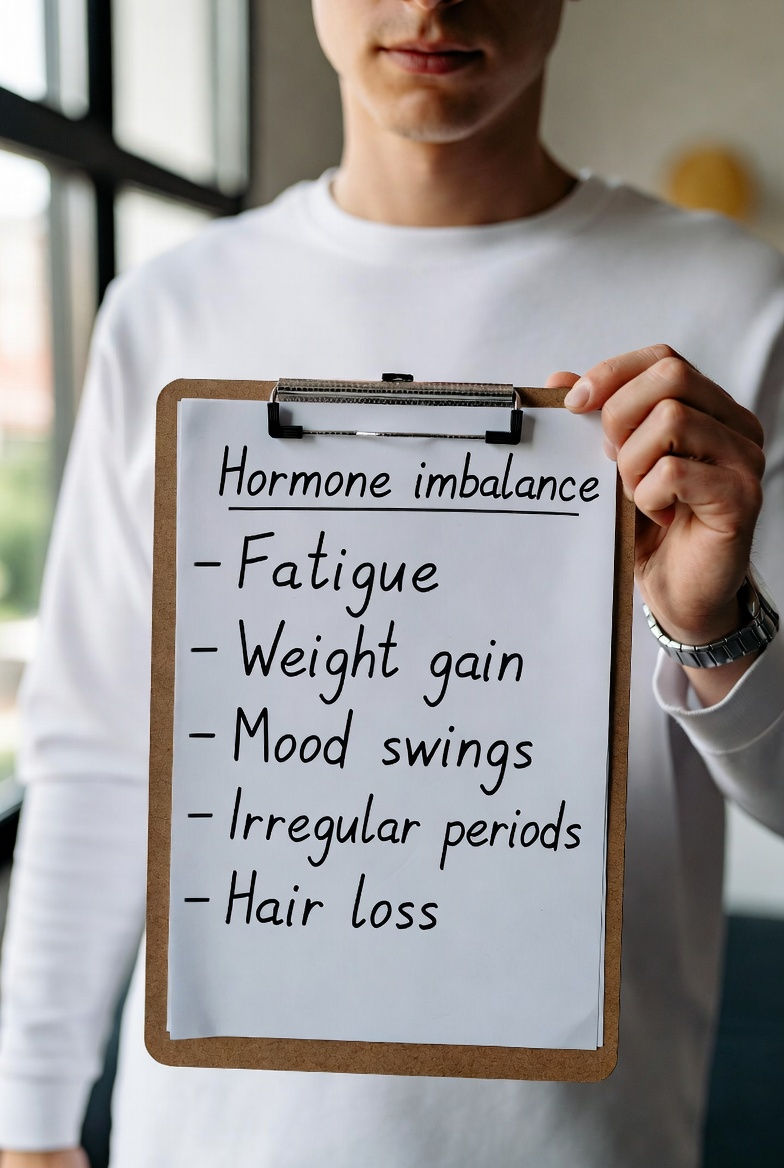
Hormones are chemical messengers that help regulate energy, mood, sleep, metabolism, appetite, menstrual cycles, and more. When hormone levels shift (or your body becomes less responsive to them), you may notice symptoms that feel “off” but are hard to connect to one clear cause. The challenge is that many hormone-imbalance symptoms overlap with stress, poor sleep, nutrient deficiencies, thyroid issues, and other medical conditions.
This article breaks down common symptoms of hormone imbalance in a practical, non-alarmist way—so you can recognize patterns and know when it’s worth getting a clinician-guided evaluation.
What does “hormone imbalance” mean?
A hormone imbalance can mean:
· Your body is producing too much or too little of a hormone
· Hormones are fluctuating (common in perimenopause/menopause)
· Your tissues are less sensitive to certain hormones (for example, insulin resistance)
Common hormones involved include estrogen, progesterone, testosterone, thyroid hormones, cortisol, and insulin.
Common symptoms of hormone imbalance
Below are some of the most common signs people associate with hormone shifts. You don’t need to have all of these for hormones to be part of the picture.
1) Fatigue that doesn’t match your lifestyle
If you’re sleeping but still waking up exhausted—or you crash mid-afternoon—hormones may be one contributing factor. Fatigue can also relate to thyroid function, cortisol patterns, blood sugar swings, iron levels, sleep apnea, and more.
2) Weight changes (especially around the midsection)
Unexplained weight gain or difficulty losing weight can be associated with metabolic changes, insulin resistance, thyroid issues, stress hormones, and shifting sex hormones.
3) Mood changes: irritability, anxiety, or low mood
Hormones influence neurotransmitters and stress response. If you notice mood swings, increased irritability, or anxiety that feels new or out of proportion, it may be worth evaluating sleep, stress, and hormone-related factors.
4) Sleep problems
Trouble falling asleep, staying asleep, or waking too early can be linked to stress hormones, progesterone changes, and other physiologic shifts. Poor sleep also worsens blood sugar regulation and cravings—creating a frustrating cycle.
5) Brain fog and trouble concentrating
Many people describe hormone-related brain fog as feeling “slower,” forgetful, or less sharp. This can also overlap with stress, burnout, thyroid issues, low iron, low B12, or inadequate sleep.
6) Low libido
Sex drive is influenced by hormones, stress, relationship factors, sleep, and mental health. A noticeable change—especially alongside other symptoms—can be a useful clue.
7) Changes in menstrual cycle (if you have periods)
Common examples include:
· Irregular cycles
· Heavier or lighter bleeding than usual
· New or worsening cramps
· Spotting between periods
· PMS that feels more intense
Cycle changes can be common in perimenopause, but they can also be related to thyroid function, PCOS, fibroids, and other conditions.
8) Hot flashes or night sweats
These are often associated with perimenopause and menopause, but they can also occur with thyroid issues, medication effects, and other health conditions.
9) Hair and skin changes
Hormone shifts can show up as:
· Hair thinning or shedding
· Dry skin
· New or worsening acne
· Increased facial hair growth (in some cases)
10) Headaches
Some people notice headaches that track with their cycle or worsen during hormonal transitions. Headaches can have many causes, so it’s important to evaluate the full picture.
11) Digestive changes and cravings
Blood sugar swings, stress, and sleep disruption can influence appetite and cravings. Some people also notice bloating or digestive changes during cycle shifts.
What causes hormone imbalance symptoms?
There isn’t one single cause. Common contributors include:
· Perimenopause and menopause
· Chronic stress and poor sleep
· Thyroid dysfunction
· Insulin resistance and metabolic changes
· PCOS (polycystic ovary syndrome)
· Certain medications
· Rapid weight changes or under-eating
Because symptoms overlap, it’s best to avoid self-diagnosing based on one social media checklist.
When to consider a hormone evaluation
Consider getting evaluated if:
· Symptoms are persistent (weeks to months)
· They are affecting your quality of life
· You notice a pattern (cycle-related, stress-related, or progressive)
· You’ve tried basic lifestyle changes and still feel stuck
A clinician-guided evaluation may include a detailed history, targeted labs (when appropriate), and a plan that fits your goals and medical history.
What can help (general, non-prescriptive support)
While treatment is individualized, many people benefit from focusing on fundamentals:
· Consistent sleep schedule and sleep hygiene
· Protein-forward meals and steady blood sugar habits
· Strength training to support muscle and metabolic health
· Stress management practices you can actually sustain
· Reviewing medications and supplements with a clinician
Final thoughts
Hormone imbalance symptoms can be subtle at first—and they’re often mistaken for “just getting older” or “just stress.” If you’re noticing fatigue, sleep disruption, mood changes, weight changes, or cycle shifts that don’t feel normal for you, a personalized evaluation can help you get clarity and a realistic plan.
Ready to talk through your symptoms and goals? Schedule your FREE discovery call: https://www.vitalpathmedicinellc.com/schedule-visit
Hablamos Espanol!
Sara Levin, NP-C is the owner and medical director of Vital Path Medicine, a virtual practice serving patients in AZ,CO,FL, IA,MA,NM,NV, OR,UT,DC. She has 15+ years of experience in ER, urgent care, functional medicine, and medical weight loss. Learn more at Vital Path Medicine https://www.vitalpathmedicinellc.com/


Comments